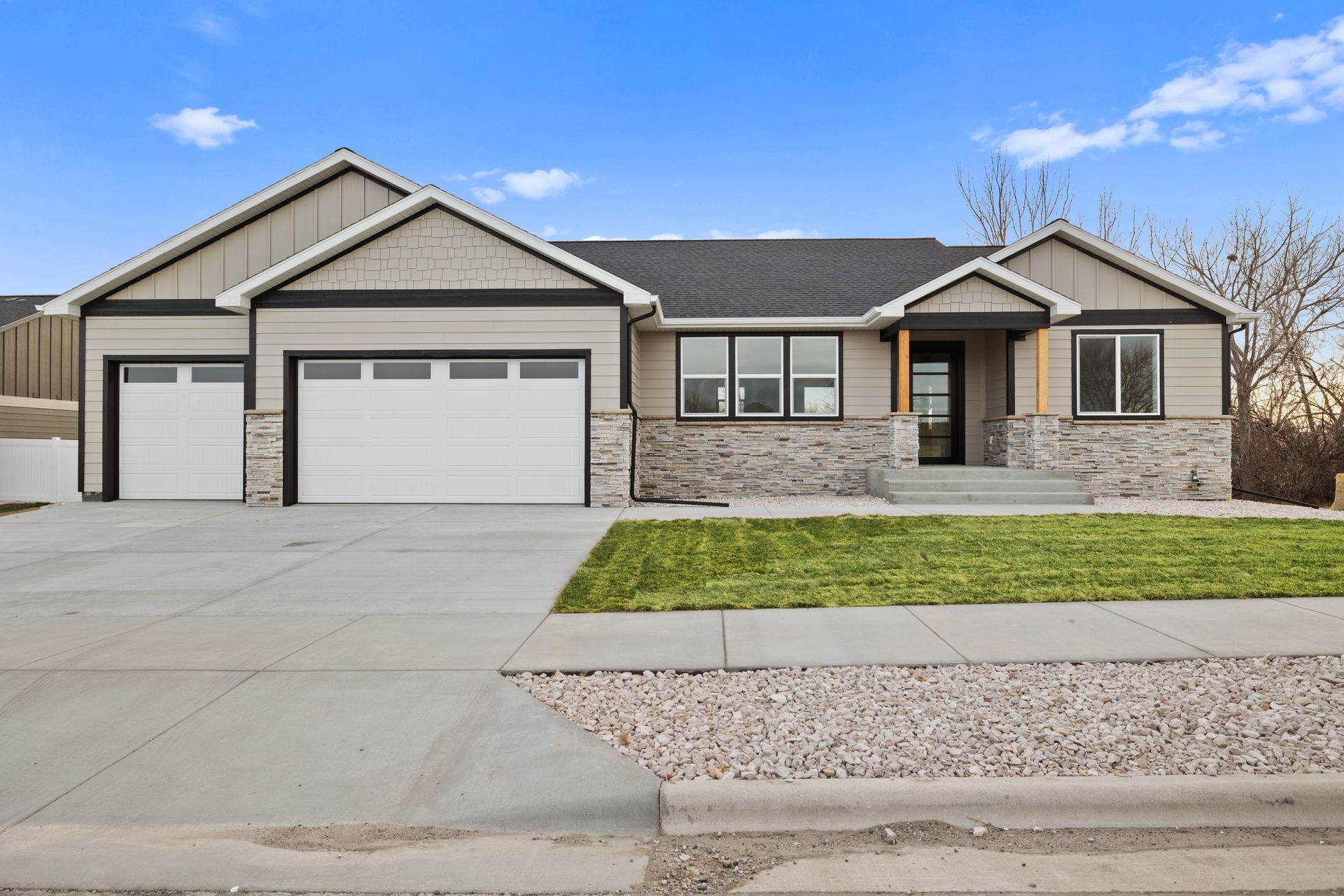
Foundation-Ready Excavation for Huntley's Clay-Rich Soils
Why Site Preparation in Huntley Demands Precision Equipment
When dealing with new construction in Huntley, MT, the clay-dominant soils and seasonal frost penetration determine whether your foundation prep creates a stable base or leads to settling issues within two years. The Yellowstone River corridor influences water tables across much of the area, meaning excavation depth and drainage grading need to account for spring runoff patterns that can saturate underprepared sites.
South Pine Design uses state-of-the-art equipment calibrated for the density variations common in Huntley's substrate—hydraulic excavators with GPS grading control ensure you're not relying on visual estimates when establishing elevation benchmarks. The difference shows up immediately: excavated footprints maintain dimensional accuracy within an inch across 40-foot spans, and compacted base layers achieve uniform density that prevents differential settling under slab loads.
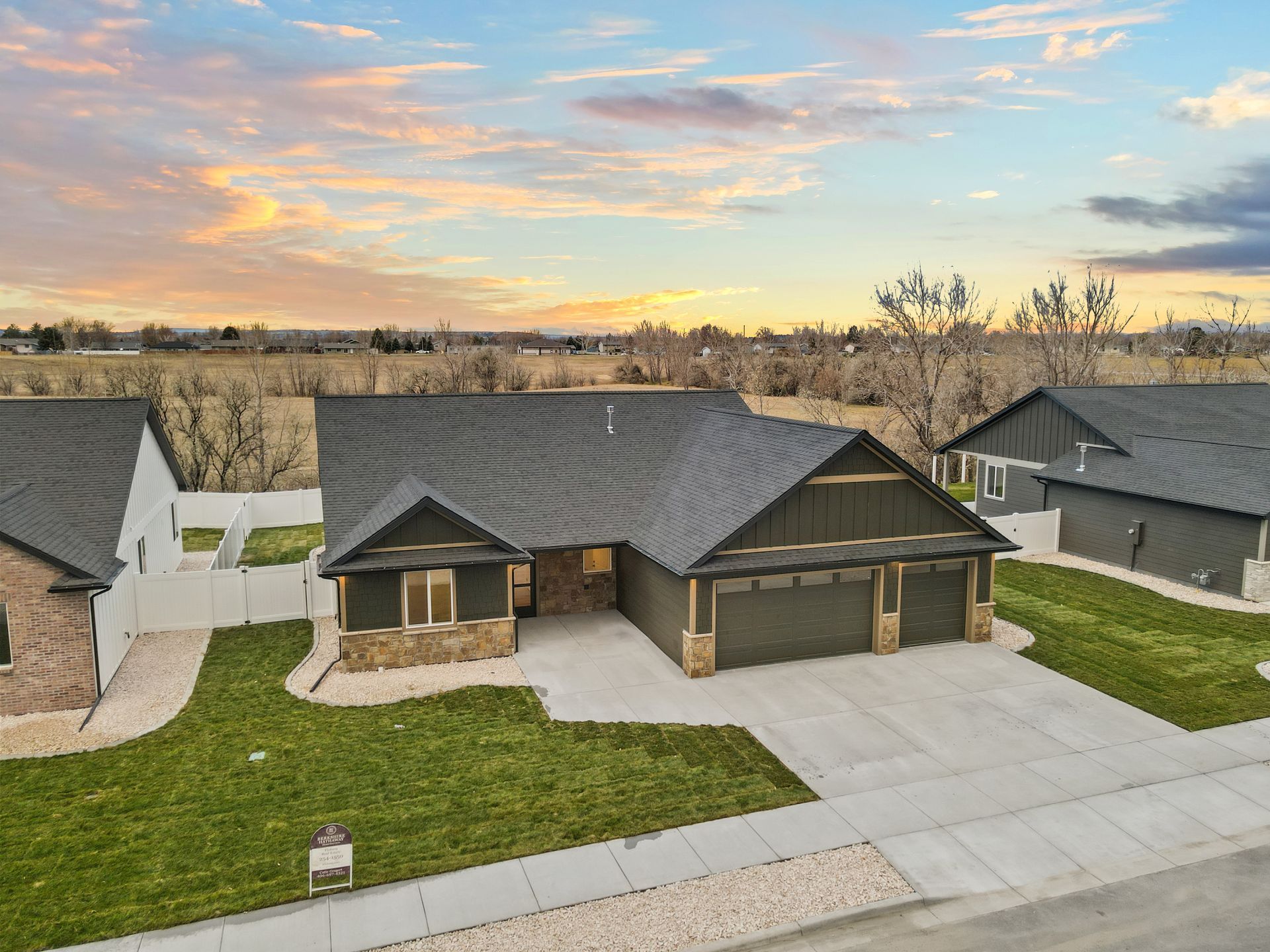
How Modern Excavation Technology Handles Huntley Terrain
Residential excavation starts with topsoil stripping to preserve the 6-to-10-inch layer of organic material you'll need for final landscaping, stockpiled on-site rather than mixed with clay spoils. Excavators then cut to engineered depths—typically 42 to 48 inches below finished grade in Huntley to stay below the frost line—while maintaining sidewall stability in cohesive soils that can stand vertically when moisture content is managed.
State-of-the-art GPS systems allow operators to track cut-and-fill volumes in real time, so you're not over-excavating and paying for unnecessary backfill material. For properties near the Interstate 94 corridor where wind exposure increases, grading plans incorporate swale placement that directs surface water away from foundation walls before it percolates into backfill zones. You'll see measurable results when spring thaw arrives: no pooling within 10 feet of the foundation, and backfill that remains stable rather than slumping as frost exits the ground.
If you need residential excavation in Huntley that accounts for local soil mechanics and seasonal water movement, get in touch to discuss your site's specific conditions and foundation requirements.
Common Excavation Failures in Huntley New Construction
Property development failures in Huntley often trace back to excavation shortcuts: inadequate compaction of clay backfill leads to voids that collapse under load, improper slope grading sends runoff toward rather than away from structures, and failure to verify bearing capacity before pouring concrete results in cracked slabs within the first heating season. Recognizing these patterns before they appear on your site requires understanding what proper excavation should deliver.
- Excavated footprints cut below the 42-inch frost line typical in Huntley's climate zone to prevent heave cycles from displacing foundations
- Clay soils tested for moisture content before compaction, since over-wet material never achieves target density regardless of roller passes
- Drainage slopes established at minimum 2 percent grade within 10 feet of foundation walls to move water toward collection points
- Spoil piles segregated by material type—topsoil, clay subsoil, and rock—so each goes back in the correct sequence during backfill operations
- Equipment with track widths under 24 inches used near utility corridors to avoid damaging existing gas and water lines serving neighboring properties
You're investing in subsurface work that remains hidden once construction advances, but the stability of everything above grade depends on getting these details correct from the start. Learn more about how precision excavation protects your Huntley construction project from predictable failure modes.